


Your teams went agile. Your org chart didn’t
Autono keeps autonomous teams moving fast without drifting apart, shared goals, transparent decisions, and coordination that doesn’t route through a weekly sync.

Start with one team. No rollout required.
 Start with one squad
- Works with Jira & Slack
- Decision metrics from week one
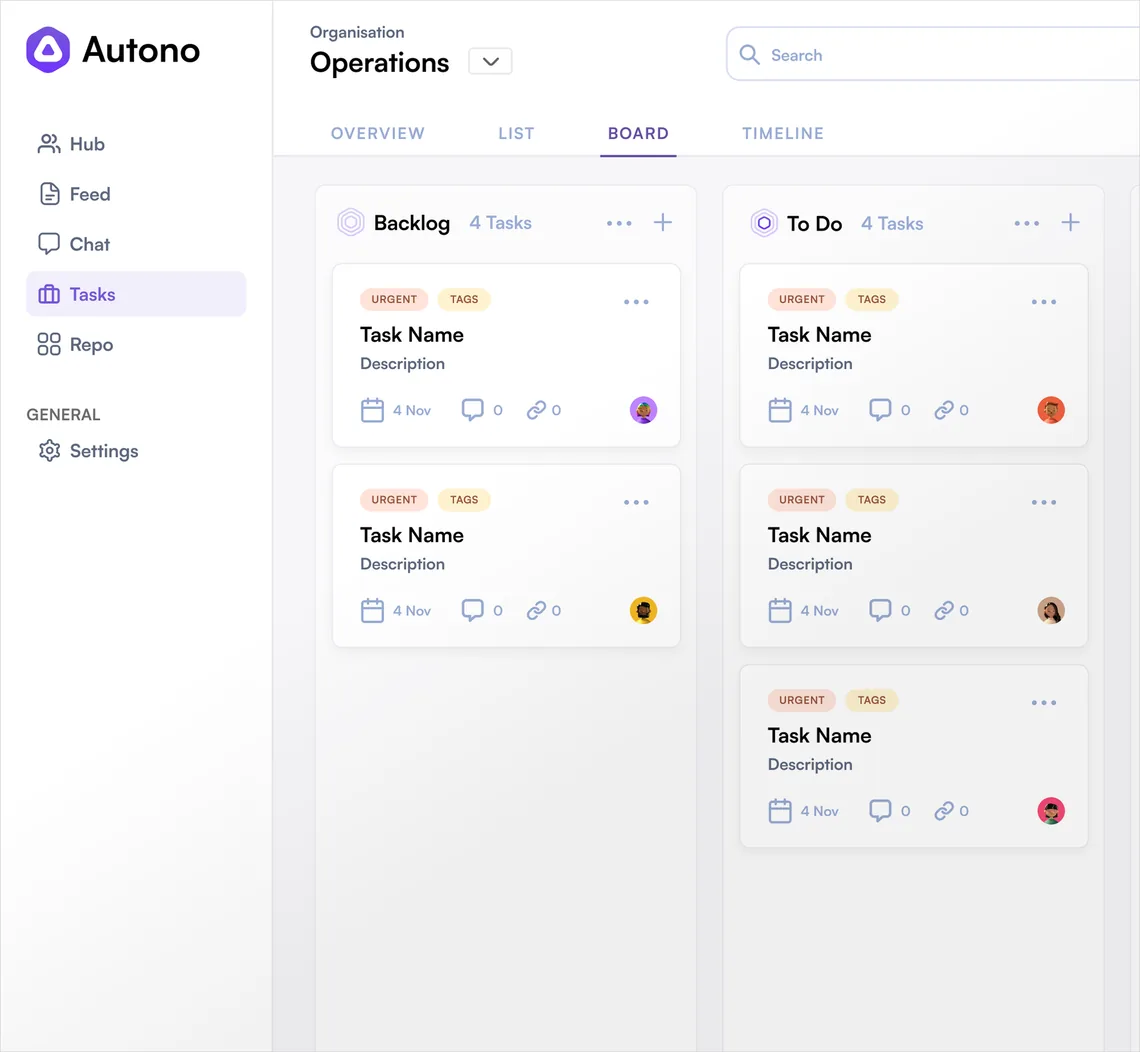



Agile stalls the moment it leaves the team
One team ships every fortnight. Put 10 of them together and velocity evaporates. Dependencies pile up in a backlog nobody owns, priorities contradict each other across squads, and the standup that kept one team aligned does nothing for the twelve teams around it.
So you add a coordination layer, programme managers, alignment meetings, a quarterly planning ritual that eats a week. The very overhead agile was meant to remove grows back, one sync at a time.
The frameworks promise a fix. But SAFe and its cousins quietly reintroduce the hierarchy you flattened, and teams go back to waiting for permission.
Alignment without a coordination tax
Every team’s goals ladder up to the same visible objectives, so a squad can make its own call and still pull in the same direction. Decisions happen in the open, dependencies surface as they form, and anyone can see what another team committed to without booking a meeting to ask.
Teams stay autonomous. The organisation stays coherent, no programme-management layer required.
“Teams stay autonomous. The organisation stays coherent.”

Boosting Agility at Scale
in 3 easy steps with Autono
Cascade the goals
Organisational goals to Team Objectives.
Objectives flow from the organisation down to every team, each one visible and owned. Everyone can see how their work rolls up to the thing the whole org is chasing.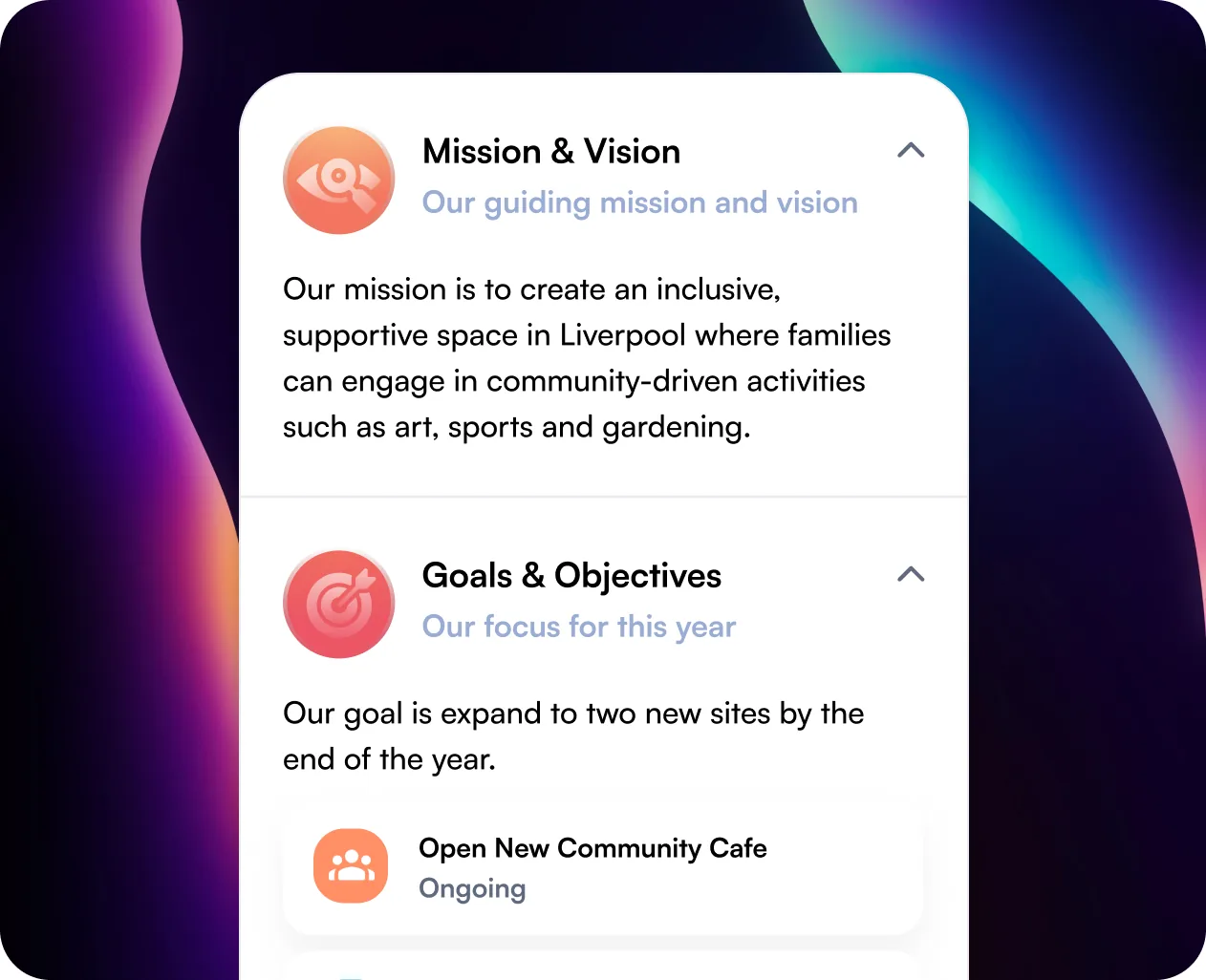
Coordinate in the open
Coordinate effectively asynchronously.
Cross-team dependencies and decisions run as async Sessions, so squads resolve them in writing, instead of in a planning-day standoff or a chain of forwarded emails.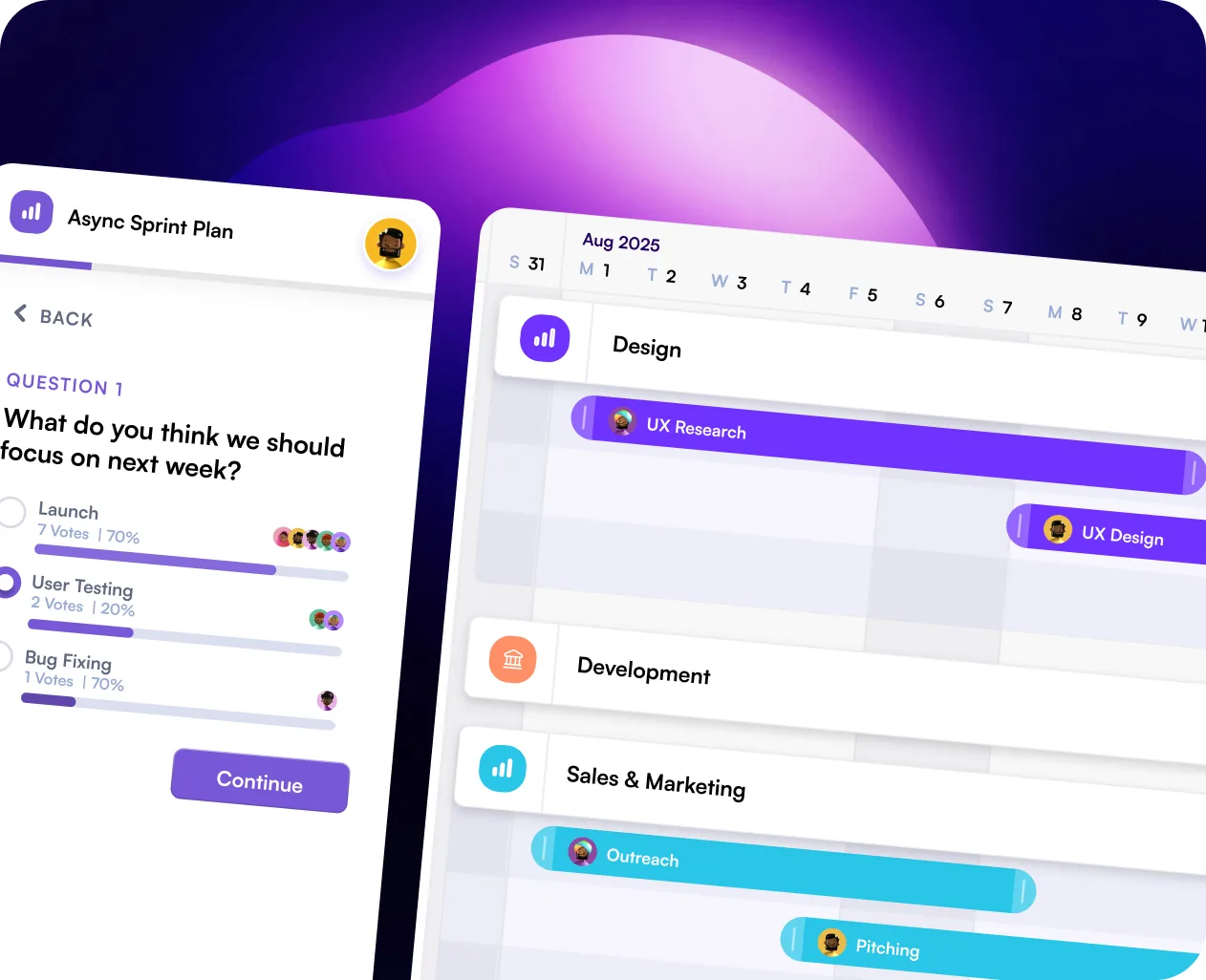
See the whole system
Oversight without a status meeting.
The Feed and decisions log give leaders a live read on progress and blockers across every team.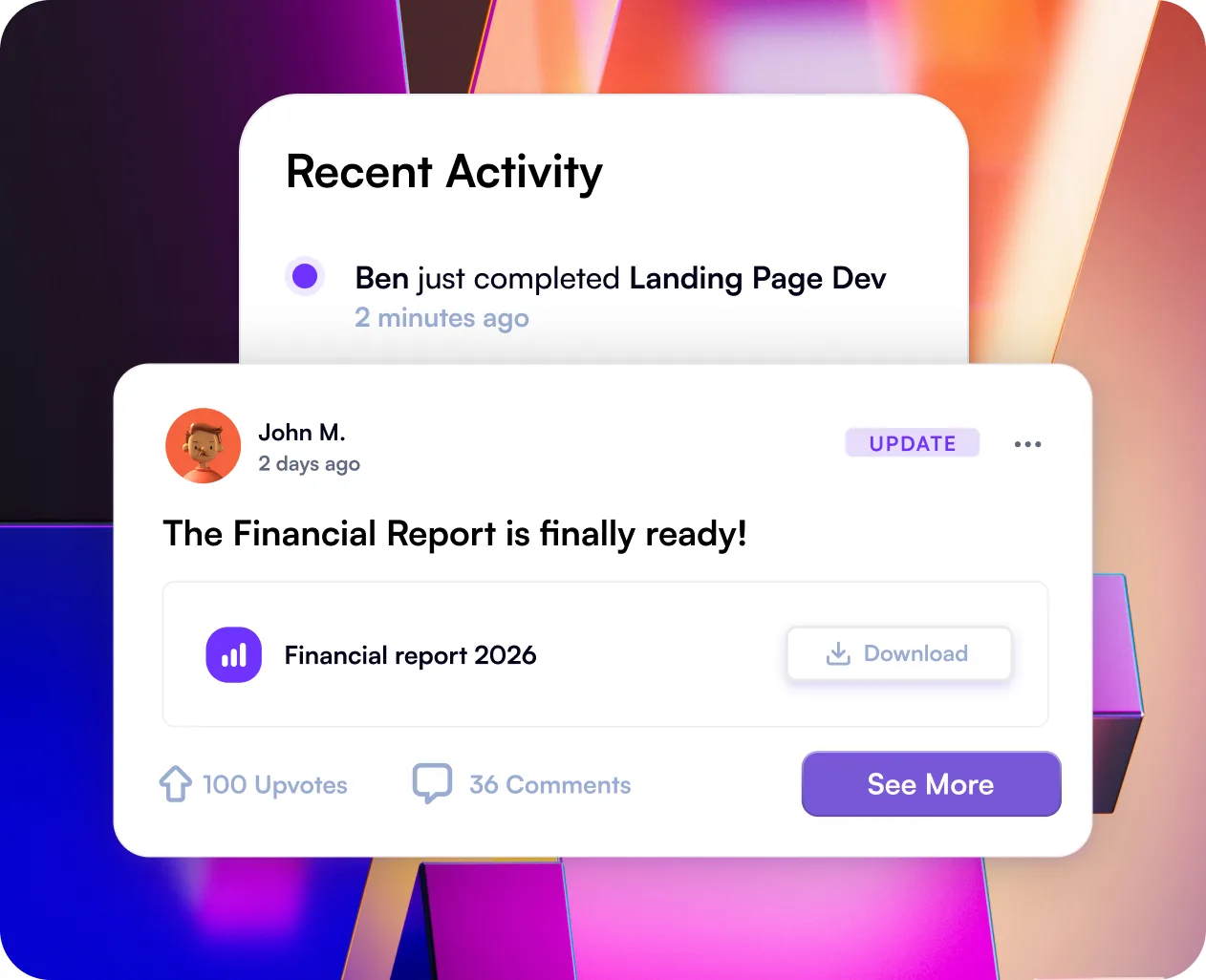
Speed you keep as you scale

Velocity that survives growth
Adding teams stops adding overhead, because coordination lives in the system instead of on a meeting calendar.

One direction, many teams
Shared goals mean autonomous squads make aligned calls without checking in first.

Dependencies that you actually see coming
Blockers surface as they form, in the open, while there’s still time to reroute around them.

The overhead agile was meant to remove grows back, one sync at a time.
Three things you might be thinking

“We already run SAFe / Scrum at scale.”
Those give you ceremonies and roles. They don’t give you a live, shared record of what every team decided and why. Autono is the infrastructure underneath the framework you choose or the reason you no longer need one.
“Our teams use Jira and it works fine.”
Jira tracks tickets inside a team. It doesn’t hold cross-team goals, decision rights, or the reasoning behind a priority call. Autono connects to Jira and fills exactly that gap.
“Won’t more transparency slow teams down?”
The opposite. Teams slow down when they have to ask what another team is doing. Making it visible is what lets them stop asking.

Align one dependency this week
Take the cross-team dependency that keeps slipping and run it as a Session instead of a meeting. See how much faster it resolves when the whole thing is in the open.
No. Autono sits underneath Scrum, Kanban, SAFe or your own blend, holding the goals, decisions and dependencies the framework assumes but doesn’t store.